QA FOR CLASTEA VIII

CLASTEA VIII – Sulla Scena. Myth and Ritual Between Past and Present
MESSINA, 4-7 November 2025 – The University of Messina hosts the CLASTEA VIII International Conference: A Bridge Between Antiquity and Contemporary Dramaturgy.
Following on from the Varcare la Soglia (Crossing the Threshold) project, which travelled with “Sette” between Europe (Italy, Spain, Portugal) and Latin America (Brazil), QA-QuasiAnonimaProduzioni, supported by NutrimentiTerrestri, continues its theatrical research in dialogue with the theoretical work of academic forums. The two companies are, in fact, partners in a world-leading event: the CLASTEA VIII International Conference is an international scientific network born from the synergistic collaboration of four prestigious universities: the University of Coimbra (Portugal), the University of Granada (Spain), the National University of Mar del Plata (Argentina), and the National University of Rosario (Argentina). Its longevity and geographical expansion are evidenced by previous editions hosted in prestigious locations across Europe and South America.
The programme, under the guidance of the Professor Mariangela Monaca, will take place from 4 to 6 November at the University of Messina, with an off-site session in Syracuse for a visit to the Archives of the INDA Foundation and the Neapolis Archaeological Park of Syracuse (7 November), and a special session (8 November) hosted by the National Archaeological Museum of Reggio Calabria. This session is dedicated to an important moment of reflection for a PRIN 2022 Project titled “Old Words for a New World: Translating Christianity to Baltic Pagans“, conducted in close collaboration between the University of Pisa, the “Antonio Zampolli” Institute of Computational Linguistics (CNR), and the University of Messina.
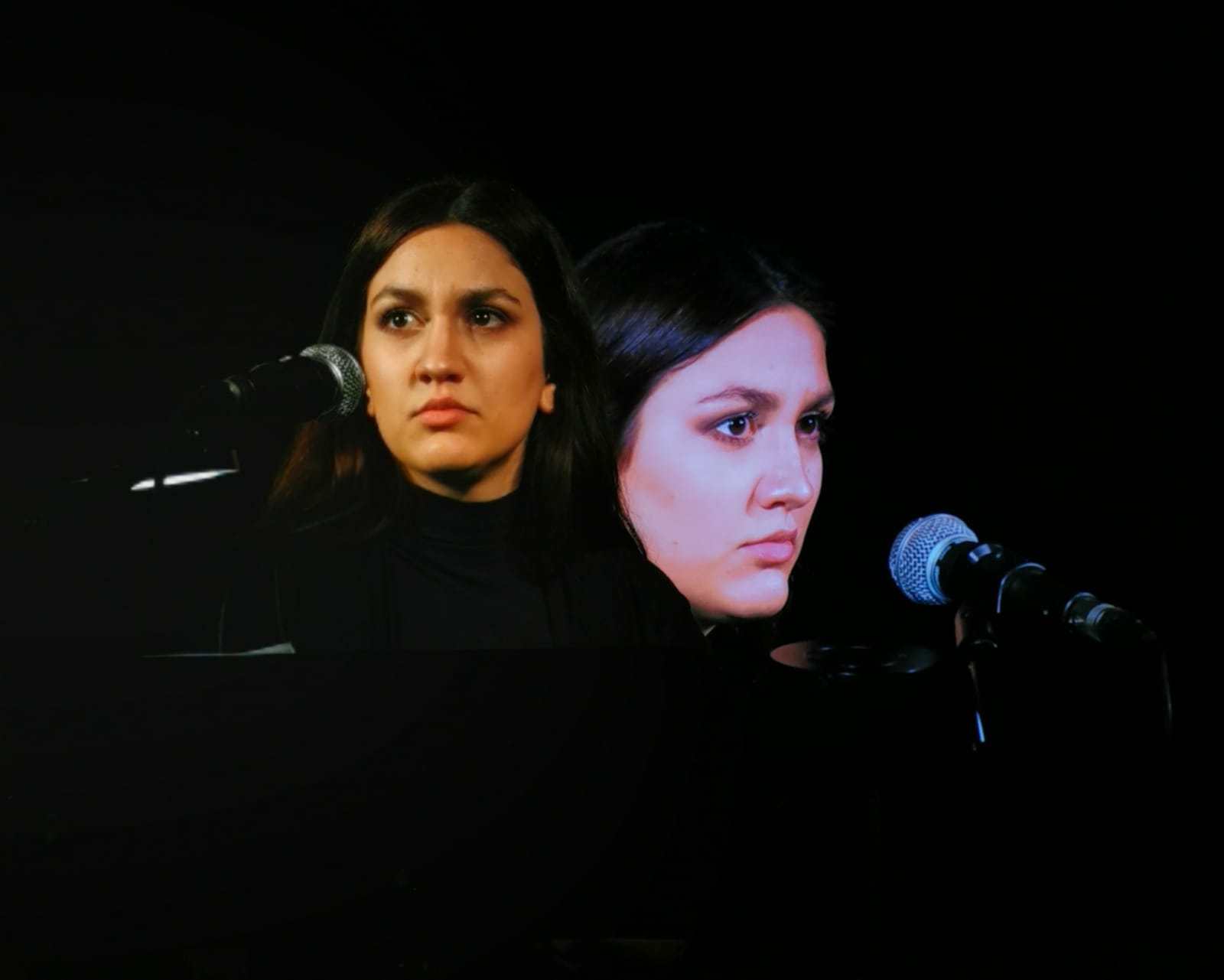
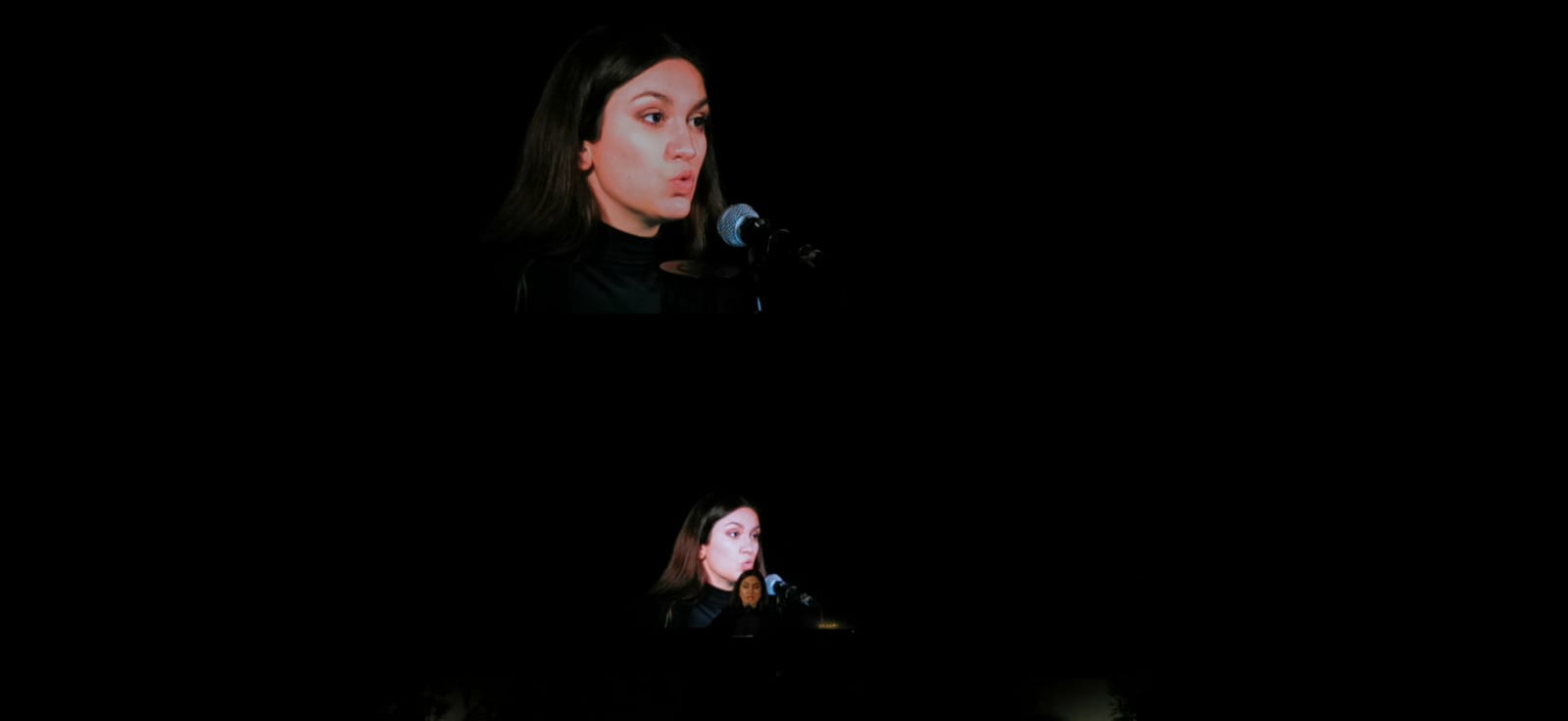
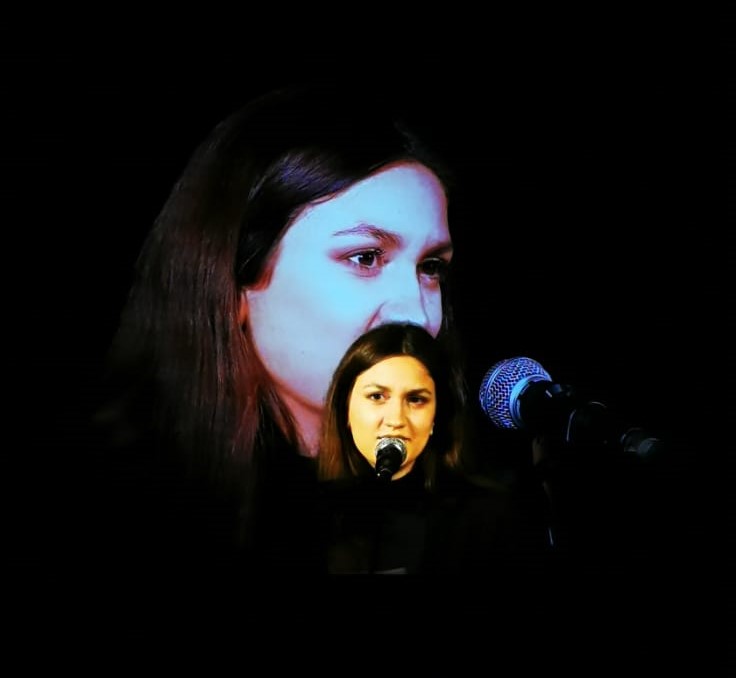
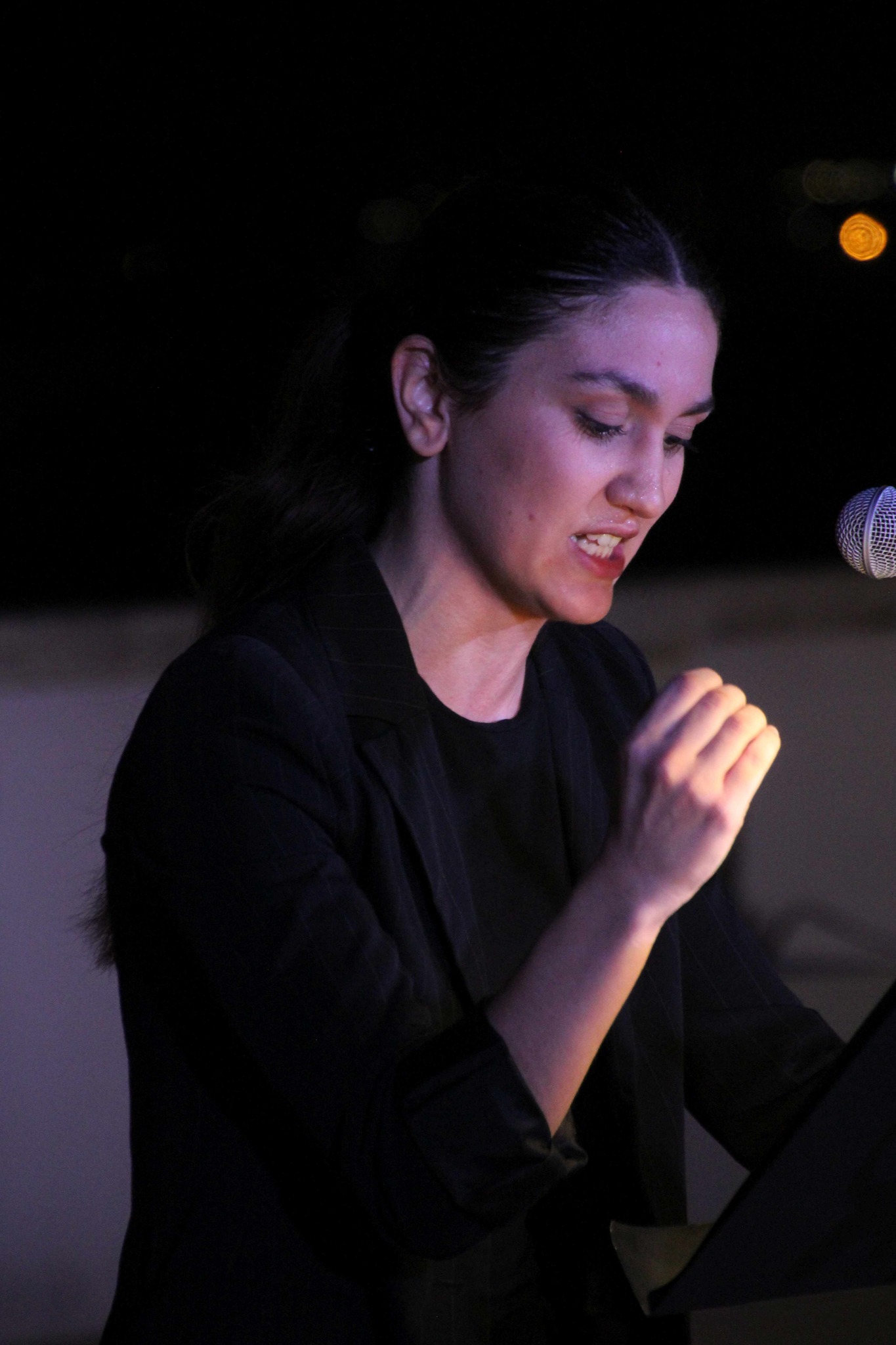
The key strength of the conference is its interdisciplinary approach, which aims to generate a productive dialogue among specialists in the fields of classical studies, theatre studies, and performance practices. In particular, the event promotes an innovative dialogue between theory and theatrical praxis. Internationally renowned scholars and experts will offer significant contributions to both theoretical and practical research on the Greco-Latin theatrical heritage, focusing on its processes of reception, appropriation, and reformulation in the contemporary context. For this reason, in addition to the academic sessions, the programme features two contemporary theatre events: on 4 November, CENERE. Per una poetica dell’impossibile (Ash. For a Poetics of the Impossible), a study based on T.S. Eliot’s The Waste Land, will be staged, featuring Giulia Messina, joined in this edition by the ethereal presence of Carlotta Maria Messina (Wind Whisper); with original music by Vincenzo Quadarella, written and directed by Auretta Sterrantino. Sterrantino also directs and authors the poetic text for the performance that closes the three-day event in Messina: ULISSE. L’ARTE DELLA FUGA. Navigando da Bach a Dallapiccola (Ulysses. The Art of Fugue. Sailing from Bach to Dallapiccola), interpreted once again by Giulia Messina and Carlotta Maria Messina. The performances are produced in collaboration by QA and Nutrimenti Terrestri.
CLASTEA VIII is promoted by the University of Messina, the Department of Ancient and Modern Civilisations (DICAM) at the University of Messina; ERSU, Messina; the Centre for Classical and Humanistic Studies (CECH) at the University of Coimbra; QA-QuasiAnonimaProduzioni (Messina), and is also funded by national funds through the Portuguese Foundation for Science and Technology (FCT). It enjoys the support of a range of university partners: University of Coimbra (Portugal); University of Aveiro (Portugal); University of Granada (Spain); University of Malaga (Spain); University of Zaragoza (Spain); National University of Mar del Plata (Argentina); National University of Rosario (Argentina), and the patronage and collaboration of: the Associazione Italiana di Cultura Classica – Sezione Ibico – R.C.; Anassilaos, Cultural Association, Reggio Calabria; the Accademia Peloritana dei Pericolanti, Messina; the Associação Portuguesa de Estudos Clássicos; BRIA – Byzantine Route International Association, Italy; CLLC – Centre for Languages, Literatures and Cultures, University of Aveiro; CUSR – University Council for the History of Religions; the INDA Foundation – National Institute of Ancient Drama; ICOMOS – International Council on Monuments and Sites; the National Archaeological Museum, Reggio Calabria; NutrimentiTerrestri, Messina; the Officina di Studi Medievali, Palermo; SISR – Italian Society for the History of Religions and the Sociedad Erasmiana de Málaga.
QA and NutrimentiTerrestri for CLASTEA VIII
Having been guests at the seventh edition of CLASTEA in Rio de Janeiro, QA is among the promoters of the VIII edition, which is dedicated to the paradigmatic theme: “On Stage: Myth and Ritual Between Past and Present”. This year we will be presenting two performances:
INAUGURAL EVENING
The Opening Night Performance | 21.00 – CHIESA DI SANTA MARIA ALEMANNA
CENERE
[per una poetica dell’impossibile]A Study on T.S. Eliot’s The Waste Land
Written and Directed by: Auretta Sterrantino
Original music and audio project: Vincenzo Quadarella
Featuring:
Giulia Messina
Carlotta Maria Messina (Wind Whisper)
light & audio: AudioLab
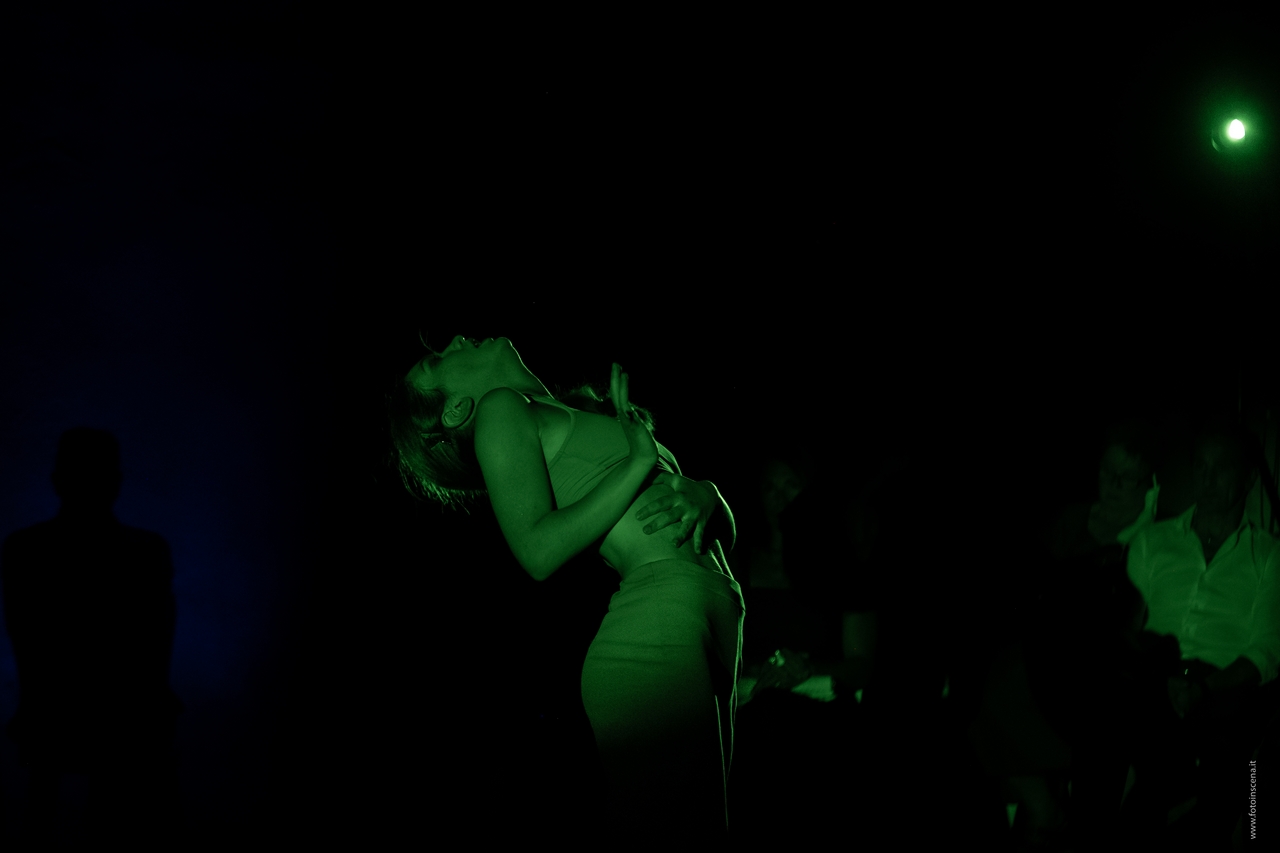
Produced by: QA-QuasiAnonimaProduzioni / NutrimentiTerrestriAsh is part of the ritual of mourning. Ash is dust to which we return. Ash is a remnant, a residue, yet at the same time a stubborn testament to a past existence. A trace of a meaningful imprint, ash is sand that marks out a desolate time where we are alone, increasingly alone. And naked, stripped bare.
This study, for a poetics of the impossible, starts from T. Eliot’s The Waste Land and its score, to investigate that sense of impending post-catastrophe desolation that constantly endangers humanity only to then see it rise again. New? Better?«Women throng on seats like burnished thrones, with furs hung on the nail that claim the light of dazzling jewels like spotlights aimed at their satellite face»
The performance scrutinises the fragmentation of the present time through a gaze, at times melancholic, at times fierce, upon a persistent cyclical time that repeats endlessly. The poetics of the impossible, as per the subtitle, represents, on one hand, the urge to shake off what is no longer bearable, and on the other, an irreducible vocation to strive with every means and energy towards what seems unthinkable to achieve. An invitation from the margin to transcend the limit.
«While alive we bury the drive towards total action, we passively accept to advance in a lethal march»
Time becomes a carousel; the past has been unseated for the benefit of a present without a future. Body, gesture, movement, space, word, rhythm, breath, music, darkness, and light are the grammar of this visionary work that attempts to bring to life the pandemic death of Eliot’s eternal text.
«I fall into the cosmic shiver of this infinite pneumatic void yet I recall something else and to something else I wish to cling»
FINAL EVENING
The Closing Performance | 18.00 – AULA MAGNA RETTORATOULISSE. L’Arte della Fuga
Navigando da Bach a Dallapiccola
Poetic text and direction: Auretta STERRANTINO
Musical score by: J.S. Bach and L. Dallapiccola
Audio design and original music: Vincenzo QUADARELLA
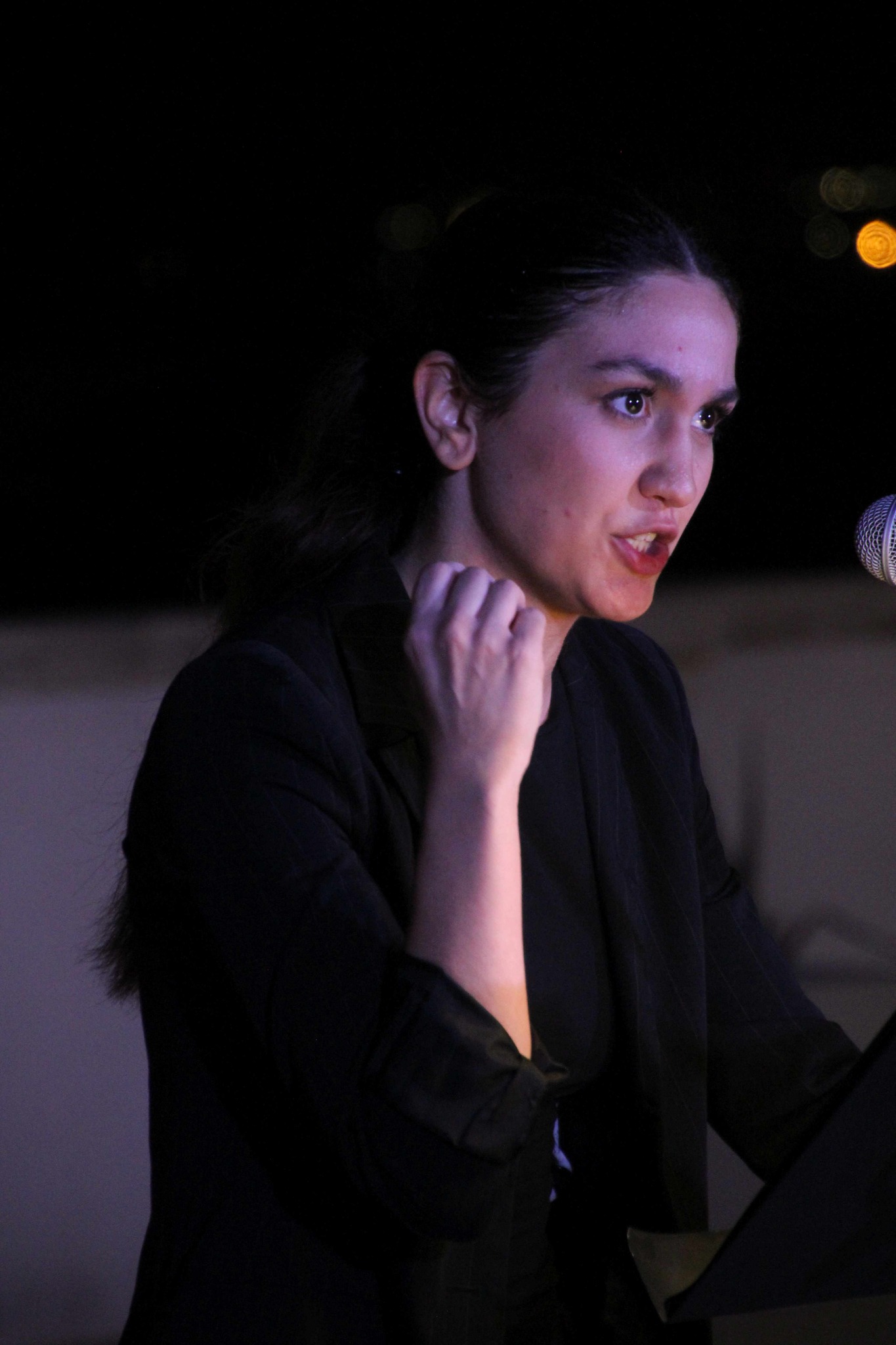
Featuring: Giulia MESSINA (Ulysses) Carlotta Maria MESSINA (Penelope)
Press Office: Marta CUTUGNO
In collaboration with Centro Studi Luigi Dallapiccola
Produced by QA-QuasiAnonimaProduzioni / NutrimentiTerrestriThe show originated in 2019 with actor Sergio Basile, a different musical repertoire, performed live on piano by Filippo La Marca, and in collaboration with the Luigi Dallapiccola Study Centre. In 2024, it resumes its journey in a new form, linked to a new stage of study for the company and the director, who views theatrical work as an ongoing investigation. In this new iteration, with recorded music adding the voice of strings to the piano, the work continues to move between Bach and Dallapiccola, in the wake of a tradition that signifies both transmission and contemporary innovation: “crossing.” This relationship is traversed by the ship of a Ulysses, who is also a child of tradition, and in turn, passed down and betrayed by authors subsequent to Homer. A Ulysses who travels for the journey itself, not for the return, and who indeed lingers in travel, almost betraying his oikos: his homeland, his kingdom, his home, his family.
This is a conflict between the desire for travel, for discovery, the seduction of the unknown, and the comfort of affection, the stability of family. The considered choice is to convey this dichotomy through a work that creates action thanks to the dramaturgical movement formed by the dialogue between music and word. This happens within the apparent stillness of the actor, who, standing still at the lectern, actually moves themselves and their own feelings on a journey that becomes the spectator’s journey. It’s an intimate and profound journey, delving into the soul in the wake of a lacerating conflict, making it vivid and overwhelming without explicit representation.
In this third study, Ulysses’ journey is joined by Penelope’s, and in this form, the show premiered in April 2025 in Malaga.